
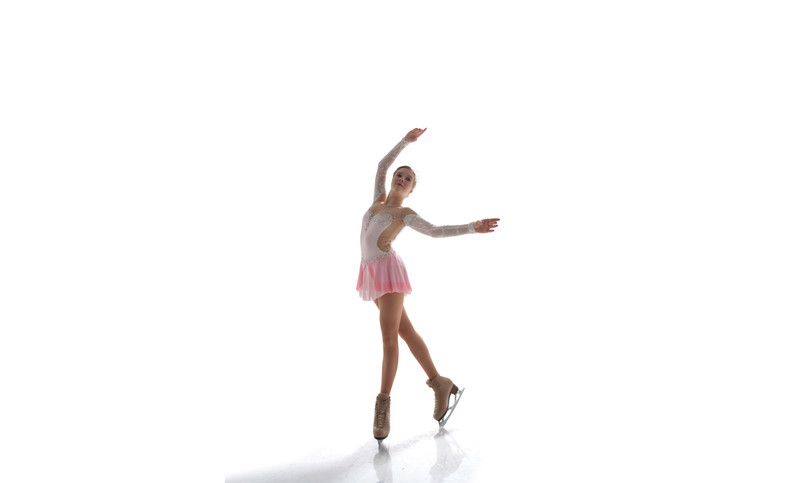
Picking a figure skating spinner is easier when you know what each size is built for. We make three models at The Mad Spinner: the Ultimate Plus, the Mini 2.0, and the Micro. Each one is a hand-made aluminum spinner for off-ice practice at home, at the rink, or on the road.
This guide shows how the three compare, so you can match a size to your skill level, your space, and how you plan to train.
Which Size Fits Your Training?
Start with the Ultimate Plus if you want the most room for your feet. Choose the Mini 2.0 if you want one spinner for everyday practice and travel. Choose the Micro if you already have basic balance and want a compact platform for precision work.
Larger platforms usually feel more forgiving because they provide more room for foot placement. Smaller platforms require greater precision and balance.
A spinner can help skaters rehearse body alignment, balance, and rotational control off the ice, but it does not replace on-ice practice.
Ultimate Plus vs Mini 2.0 vs Micro: Side-by-Side Comparison
All three spinners share the same low profile and rotate freely in both directions. The main differences are size and how you use them.
|
Feature |
Ultimate Plus |
Mini 2.0 |
Micro |
|---|---|---|---|
|
Diameter |
12 inches |
9 inches |
5 inches |
|
Height |
1/2 inch |
1/2 inch |
1/2 inch |
|
Material |
Aluminum |
Aluminum |
Aluminum |
|
Foot use |
One or two feet |
One or two feet |
One-foot use |
|
Rotation |
Both directions |
Both directions |
Both directions |
|
Best for |
Stability and beginners |
Versatile everyday training |
Advanced precision work |
|
Portability |
Portable, but largest |
Highly portable |
Most portable |
|
Best use |
Home training and two-foot work |
Everyday practice and travel |
One-foot spins and jump takeoffs |
The Ultimate Plus: Our Largest Spinner
The Ultimate Plus is a 12-inch aluminum spinner with our largest foot surface. It works with one or two feet, which makes it a good first spinner for young and adult skaters who are still learning to find their center.
The wide platform gives you space to adjust your stance. That matters when you are new to standing on a rotating surface and want room for small corrections.
Here is where it fits well:
-
Beginners who want a stable place to start
-
Adults returning to skating or starting later
-
Two-foot balance and posture work at home or in a studio
-
Skaters who want room to practice one-foot positions as they progress
It is the largest of our three, so it suits planned sessions at home or in a studio better than a packed carry-on. It is still low profile and lightweight. If you want to browse finishes, the Ultimate Plus comes in solid, glitter, and splatter collections.
The Mini 2.0: One Spinner for Everyday Practice
The Mini 2.0 is a 9-inch aluminum spinner made for one-foot or two-foot practice. We designed it for young and adult skaters who are learning to spin or want to work on spins they already have.
At 9 inches, it gives you a secure surface while asking a little more of your alignment than the 12-inch model. It slips into a backpack, skate bag, or suitcase, so it works well for skaters who train in more than one place.
Skaters use it to practice:
-
Camel spins, sit spins, and back spins
-
Counters and brackets
-
Balance holds and posture work
-
Conditioning and cardio sessions
Dancers also use it to practice pirouettes. If you want a single spinner and are unsure between the other two sizes, the Mini 2.0 is a sensible middle point. It comes in solid, glitter, splatter, pastel, and checker collections.
The Micro: Compact Platform for Precision Work
The Micro is a 5-inch aluminum spinner, our smallest and lightest. The Micro is designed for one-foot spins and jump takeoffs. It is best suited to skaters who already have basic balance and want a compact platform for precision work.
A 5-inch surface asks for careful foot placement, core control, and posture. That makes it a useful add-on for skaters who have outgrown a larger platform and want more of a challenge.
Its size also makes it easy to pack. It fits in a small skate bag and works in tight spaces such as a hotel room or a small studio. A spinner carrying case can keep it clean between sessions. Check with your coach before adding it to your routine. See the Micro solid, glitter, splatter, and checker collections for finishes.
How to Choose by Skater Type
Your level and routine matter more than any single spec. Use these pairings as a starting point.
New skaters and children. The Ultimate Plus gives the most room while you learn posture, arm position, and balance. A parent or coach should supervise early sessions.
Adult skaters. Adults who want a roomy platform can start with the Ultimate Plus. Those who want something smaller to bring to the gym or rink may prefer the Mini 2.0.
Skaters who travel. The Micro is the smallest to pack, and the Mini 2.0 is a good fit when you want more foot room on the road. The Ultimate Plus is better for planned sessions at one location.
Skaters working on one-foot control. The Mini 2.0 and Micro both suit one-foot practice. The Micro adds a tighter platform once your balance is steady.
Coaches and clubs. Our Coaches Corner has more on using spinners in training.
One-Foot and Two-Foot Practice
Two-foot work usually comes first. It lets you focus on posture, core engagement, and a level head without worrying about balance on one leg.
The Ultimate Plus and Mini 2.0 both work with one or two feet. As your balance improves, you can move to one-foot holds and gentle one-foot spins on either of them. The Micro is built for one-foot work, so it makes sense once you are comfortable at that stage.
Many skaters move up in size steps as their training changes. Some choose a second spinner later. That is a personal choice, and one spinner is enough to get started.
Surfaces and Safety
The spinners can be used on many hard and soft surfaces, including wood, tile, carpet, and vinyl. Use the spinner on a clean, dry, level surface and avoid sand or sandy areas. The rubber feet are non-marking.
A few habits keep sessions safe:
-
Clear a safe radius and move furniture out of the way
-
Wear sneakers or socks
-
Begin slowly with small rotations
-
Keep your core engaged and your head level
-
Stand near a wall, barre, or counter for support while you learn
-
Take breaks between sets
-
Stop immediately if you feel dizzy or overly tired
Check with a qualified coach before adding new drills, especially for children and for one-foot work. A spinner is a training tool, not medical or rehabilitation equipment.
How to Add a Spinner to Your Off-Ice Routine
A spinner can help support off-ice practice when you use it in short, controlled sessions.
-
Warm up with light movement or dynamic stretches.
-
Stand on the spinner with two feet (Ultimate Plus or Mini 2.0) and practice posture and arm position.
-
Add small, slow rotations while holding a support if you need one.
-
Move to one-foot balance holds when you feel steady.
-
Try simple one-foot spins, focusing on staying centered rather than on speed.
-
Cool down and stop early if you feel tired.
Skaters can also record a session to check head position and body line, or ask a coach for feedback. Our blog has more practice ideas.
Frequently Asked Questions
What is the difference between the Ultimate Plus, Mini 2.0, and Micro?
Size is the main difference. The Ultimate Plus is 12 inches, the Mini 2.0 is 9 inches, and the Micro is 5 inches. The two larger models work with one or two feet. The Micro is designed for one-foot spins and jump takeoffs.
Which spinner is best for beginners?
The Ultimate Plus is a good starting point because its 12-inch surface leaves the most room for foot placement. The Mini 2.0 can also work for beginners who want a smaller size. Ask your coach if you are unsure.
Can I use a spinner on carpet or hardwood?
Yes. The spinners work on many hard and soft surfaces, including wood, tile, carpet, and vinyl. Keep the surface clean, dry, and level, and avoid sand or sandy areas.
Is a spinner safe for children?
Children should practice with an adult nearby and with guidance from a coach. Start with slow rotations in a clear area, and stop if the skater feels dizzy or tired.
Does a spinner replace on-ice practice?
No. A spinner can help skaters rehearse balance and body positioning off the ice, but it does not replace on-ice practice or coaching.
Choosing Your Figure Skating Spinner
The right figure skating spinner depends on your experience, your space, and how often you travel. The Ultimate Plus offers the most room, the Mini 2.0 covers everyday practice and travel, and the Micro gives experienced skaters a compact platform for one-foot work.
Ready to pick a size? Compare the models on our figure skating and roller skating spinners page, or check the FAQ page if you have questions before you order.